
Cabinet Painting vs Cabinet Refinishing
Most homeowners use these terms interchangeably. Here is what they actually mean — and why it matters for your kitchen.
Cabinet refinishing specialist
Sprayed cabinet finishes, done by Tyler.
- CSLB #1015608
- Tyler does every job himself
- Two-component (2K) polyurethane
- 5-year written warranty
- Sealed containment and HEPA-vacuumed sanding
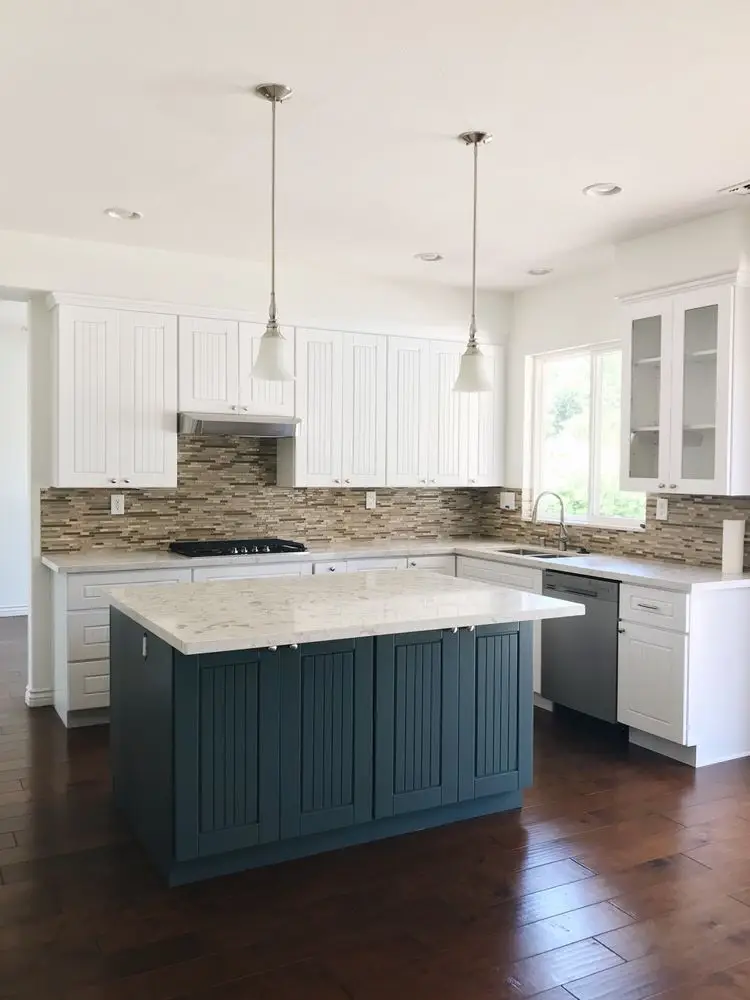
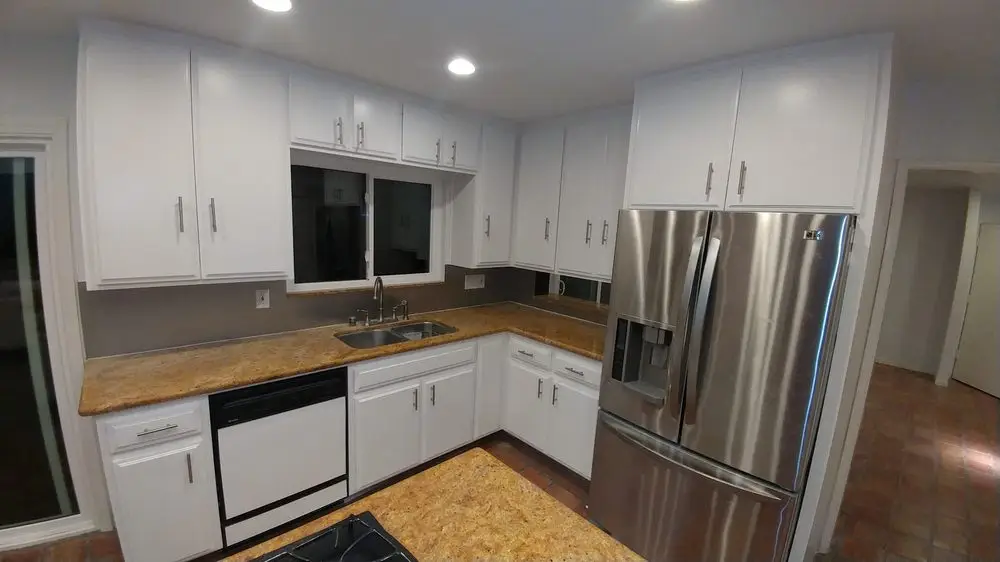
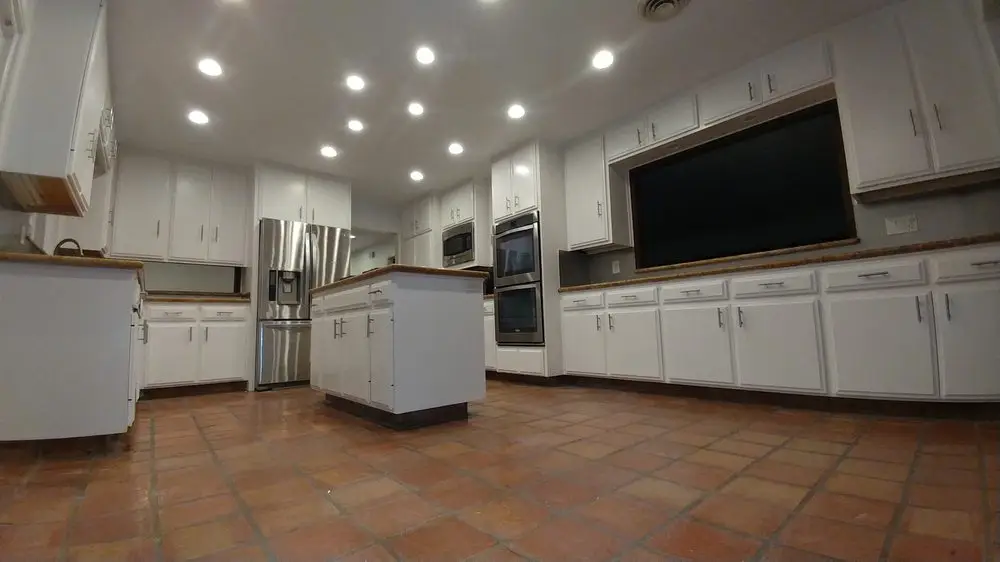
What's the difference between cabinet painting and cabinet refinishing?
"Cabinet painting" and "cabinet refinishing" are sometimes quoted as different services with different price points and scopes. At Parallel Painting, both terms point to the same process: meticulous prep and a sprayed 2K polyurethane finish. If you are comparing quotes, ask each contractor what coating they actually use and for their exact preparation steps, and compare written scopes rather than relying only on service labels.
Quotes can vary widely from contractor to contractor. Comparing the written scope behind each quote is the way to understand what you are actually buying.
When Comparing Quotes
Quotes for cabinet work can differ in product, preparation, and scope. Confirm the details in writing before you decide.
- Product: Ask what coating system actually goes on the cabinets — single-component paint or a catalyzed 2K polyurethane
- Preparation: Ask each contractor for their exact prep steps — degrease, sand, grain-fill, prime
- Scope: Confirm what is removed, repaired, masked, coated, cured, and reinstalled
The Parallel Painting Process
A comprehensive process using professional HVLP spray equipment, HEPA-vacuumed prep, sealed negative-pressure containment, grain filling, bonding primers, and multi-coat systems. Doors and drawer fronts are removed, labeled, prepped, and sprayed in the negative-pressure booth at Tyler's shop, then reinstalled. The finish is 2K polyurethane — factory-grade, two-component catalyzed.
- Cost: Count-based written quote
- Finish: A smooth, sprayed finish
- Warranty: Backed by a 5-year written warranty, signed by Tyler
When you call five contractors and get different quotes, comparing the written scope behind each one is the way to understand the difference.
What Parallel Painting Means by Both Terms
At Parallel Painting, there is no distinction between these two services.
Whether you searched "cabinet painting" or "cabinet refinishing," every kitchen we touch receives the same process and the same finish: sprayed 2K polyurethane.
Same materials. Same process. Same 5-year warranty. Same result. The only difference is the words you typed into Google.
Either way, you get the same finish: 2K polyurethane — a factory-grade, two-component catalyzed coating sprayed with HVLP over a bonding primer, two primer coats and two to three topcoats, sanded to 400 grit between appropriate stages. It is the cabinet system we trust for demanding residential kitchens.
What is the 2K polyurethane cabinet coating?
2K polyurethane is a factory-grade, two-component catalyzed cabinet coating. The resin and a hardener cross-link as they cure into a hard, smooth film built for the daily punishment of a working kitchen. We spray it with HVLP equipment over a bonding primer — two primer coats and two to three topcoats, sanded to 400 grit between appropriate stages.
Here is how the process is applied to your cabinets:
A two-component (2K) polyurethane system
We finish in 2K polyurethane — a factory-grade, two-component catalyzed coating. The resin and a hardener cross-link as they cure into a hard, smooth cabinet-grade film, which is exactly why the catalyzed cure is intended to increase its hardness, adhesion, and chemical resistance versus the same system uncatalyzed.
Bonding primer and full prep
The coating is applied over a bonding primer and full mechanical prep, for the edges and faces that hands grip every day. Confirm what is removed, repaired, masked, coated, cured, and reinstalled.
White and light-colored finishes
For the crisp white and light-colored finishes most homeowners want in the sun-heavy kitchens of the Temecula and Coachella valleys, a sprayed 2K film lays down smooth and even — without the brush marks and texture of field-applied paint.
Cabinets near sinks and dishwashers
Cabinets near sinks and dishwashers face constant steam, splashes, grease, and handling. A catalyzed 2K film over thorough bonding prep is built to take that daily exposure.
Matched to the climate
Temecula Valley and Coachella Valley kitchens get hot in summer with strong sun. We choose the coating and color approach to suit your cabinets and their exposure, and back every cabinet job with a 5-year written warranty.
That is the process we use on every kitchen — meticulous prep, then a sprayed 2K polyurethane finish, owner Tyler Fowler on the job from estimate through final walkthrough.
How does the 2K polyurethane cabinet refinishing process work?
Every kitchen runs the same 8-step process: consultation and cabinet photos, in-home assessment with Tyler and written quote, masking and containment planning, labeled door and drawer-front removal, clean/degloss/sand/repair/grain-fill where you choose it, HEPA-vacuumed prep and sealed negative-pressure containment, then 2K polyurethane sprayed on doors, drawer fronts, and frames in two primer coats and two to three topcoats, then cure, reinstall, hardware alignment, final walkthrough, and warranty. Most kitchens take about two weeks, and every project carries a 5-year written warranty.
Every kitchen — whether you called asking about "cabinet painting" or "cabinet refinishing" — goes through the same professional process:
2K Polyurethane
A factory-grade, two-component catalyzed cabinet coating — the system we trust for demanding residential kitchens, sprayed in two primer coats and two to three topcoats.
Professional HVLP Spray
Doors and drawers are removed and sprayed in a controlled, contained spray environment. We apply the coating with HVLP spray equipment.
Complete Surface Prep
Every surface is degreased, sanded, and primed with a bonding primer. Oak cabinets receive grain filling to eliminate the open-pore texture. Nothing is skipped.
Multi-Coat System
Multiple coats with proper flash times between each one. The result is a finish with depth and uniformity built up over several passes.
Every project is backed by a 5-year written warranty, signed by Tyler — owner-operated, CSLB #1015608 since 2016.
Refinishing vs Refacing vs Replacement
While "painting" and "refinishing" mean the same thing at Parallel Painting, these three options are genuinely different services:
| Option | What It Is | Cost | Timeline | Best For |
|---|---|---|---|---|
| Refinishing (what we do) | Sprayed 2K polyurethane on existing cabinets | Count-based quote | Depends on kitchen size and scope | Structurally sound cabinets needing a new look |
| Refacing | New doors + veneer on existing boxes | Usually higher than refinishing | Shorter than replacement | Wanting new door styles without full replacement |
| Full Replacement | Remove everything, install new cabinets | Highest-cost option | Longest of the three | Structural damage or layout changes needed |
Whether you call our service "cabinet painting" or "cabinet refinishing," the row that describes what we do is the same: we refinish your existing cabinets in sprayed 2K polyurethane.
Frequently Asked Questions
Is cabinet painting cheaper than cabinet refinishing?
Cabinet painting and cabinet refinishing are sometimes treated as different services. At Parallel Painting, they are the same service. We finish in 2K polyurethane — a factory-grade, two-component catalyzed coating — on every kitchen regardless of what you call it. Tyler prices cabinet work from an in-home count of doors and drawer fronts, then checks frames, panels, wood grain, existing finish condition, interiors, color changes, specialty finishes, hardware changes, and repairs before writing a fixed quote. See the cabinet refinishing cost guide for how pricing works.
Why does Parallel Painting use 2K polyurethane on every kitchen?
We finish in 2K polyurethane — a factory-grade, two-component catalyzed coating. The resin and a hardener cross-link as they cure into a hard, smooth cabinet-grade film, sprayed with HVLP over a bonding primer. It is the system we trust on every kitchen because the catalyzed cure is intended to increase its hardness, adhesion, and chemical resistance versus the same system uncatalyzed. Read more about 2K polyurethane.
Should I search for "cabinet painting" or "cabinet refinishing" when looking for this service?
Either one. Most homeowners use these terms interchangeably, and both will lead you to contractors who do this work. The important question is not what the service is called — it is what coating system the contractor actually uses. Ask whether the finish is a single-component paint or a catalyzed 2K polyurethane, and compare written scopes rather than relying only on service labels. At Parallel Painting, both terms mean a sprayed 2K polyurethane finish.
What is the difference between refinishing and refacing?
Refinishing keeps your existing cabinet boxes AND doors — we apply a new finish to all surfaces. Refacing keeps the boxes but replaces all doors and drawer fronts with new ones, which usually costs significantly more than refinishing. If your doors are solid wood and structurally sound, refinishing delivers a dramatic transformation at a lower cost position than refacing.
Learn More
Cabinet Refinishing in Temecula
Our signature 2K polyurethane cabinet finish in Temecula.
Cabinet Painting Cost
2026 planning guide with door and drawer-front pricing guidance.
2K Polyurethane Finish
The 2K polyurethane — factory-grade, two-component catalyzed — that Parallel Painting sprays on every cabinet.
Will Painted Cabinets Peel?
Why coating choice and prep quality determine whether cabinets last or fail.
How Long Does Refinishing Take?
Full timeline so you can plan around your kitchen downtime.
Designer Wallpaper Installation
Our other flagship specialty — designer wallpaper and meticulous wall prep, same owner-on-every-job standard.
Ready for a Finish That Actually Lasts?
Call Tyler. No sales team, no pressure — just straight answers about your kitchen.